Screenshots
About This Game
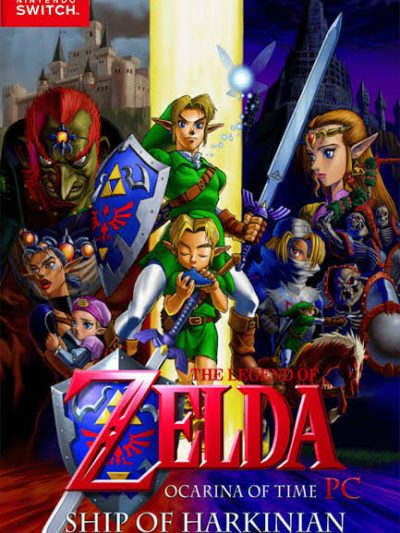
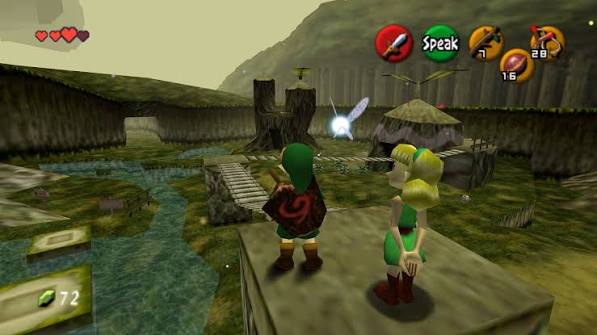
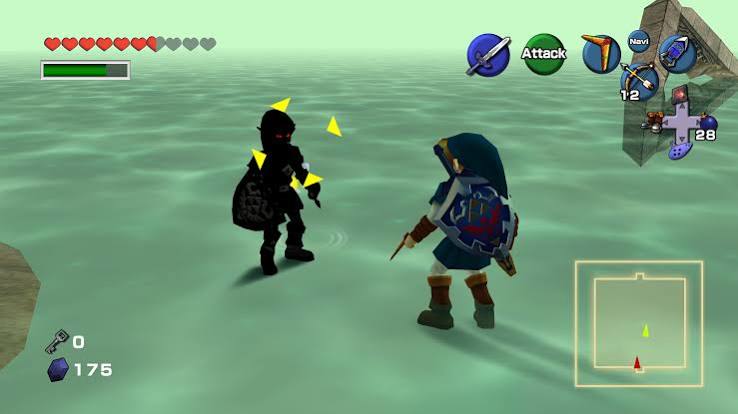
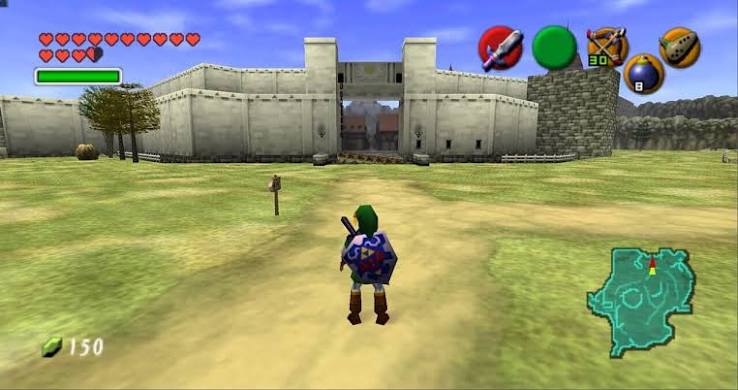
The Legend of Zelda: Ocarina of Time: Ship of Harkinian Switch NSP Free Download Romslab has been a part of my life for as long as I can remember, so I have no childhood memories of it. I used to spend hours watching my older brothers play before I had the skill to try it myself. It was like flying when I finally managed to finish it on my own. Once or twice a year, I try to get my dopamine fix by playing Ocarina of Time, which usually means digging out my old GameCube and praying the disc isn’t too damaged to read. However, I haven’t played Ocarina of Time on a Nintendo console at all for the past few months. Instead, I’ve been playing it on a PC game called Ship of Harkinian, an unofficial version of Ocarina of Time that would have been unthinkable just a few years ago.
Nintendo has allowed me and other players to indulge our passion for Ocarina of Time for decades, re-releasing this acclaimed game on all its platforms since the Nintendo 64. These official versions have, in a way, allowed the game to evolve with me. However, not all versions are created equal. Simply put, the most recent re-release of Ocarina of Time as part of the Nintendo Switch Online Collection was terrible. It hasn’t always been easy to find a place to play. Before Ship, to play on PC, you needed to use an emulator that simulated the hardware of a Nintendo console. Emulators are known for being very demanding, which can sometimes significantly impact gameplay. However, to create a native version, without emulation, you would need access to the Ocarina of Time source code (the human-readable code written by the developers).
The timeless appeal of The Legend of Zelda: Ocarina of Time.
The Ocarina of Time source code belongs exclusively to Nintendo and God, which poses a major problem. For the average user, the inner workings of Ocarina of Time are only revealed through the nearly incomprehensible binary that was assembled from the game’s source code and placed on the cartridge. This is where decompilation comes in. In software, reverse engineering manifests as decompilation. A decompilation enthusiast writes new code based on the compiled binary of the program they are trying to replicate, as if starting from the end of a maze and working backward. Their task is simply to ensure that the new code compiles to the same binary, rather than speculating about what the original source code might have looked like. Once this is done, they can treat their new code, which is likely very different from the original, as source code, modifying, improving, and recompiling it.